
“The drama of the archetypal life of Christ describes in symbolic images the events in the conscious life—as well as in the life that transcends consciousness—of a man who has been transformed by his higher destiny.”
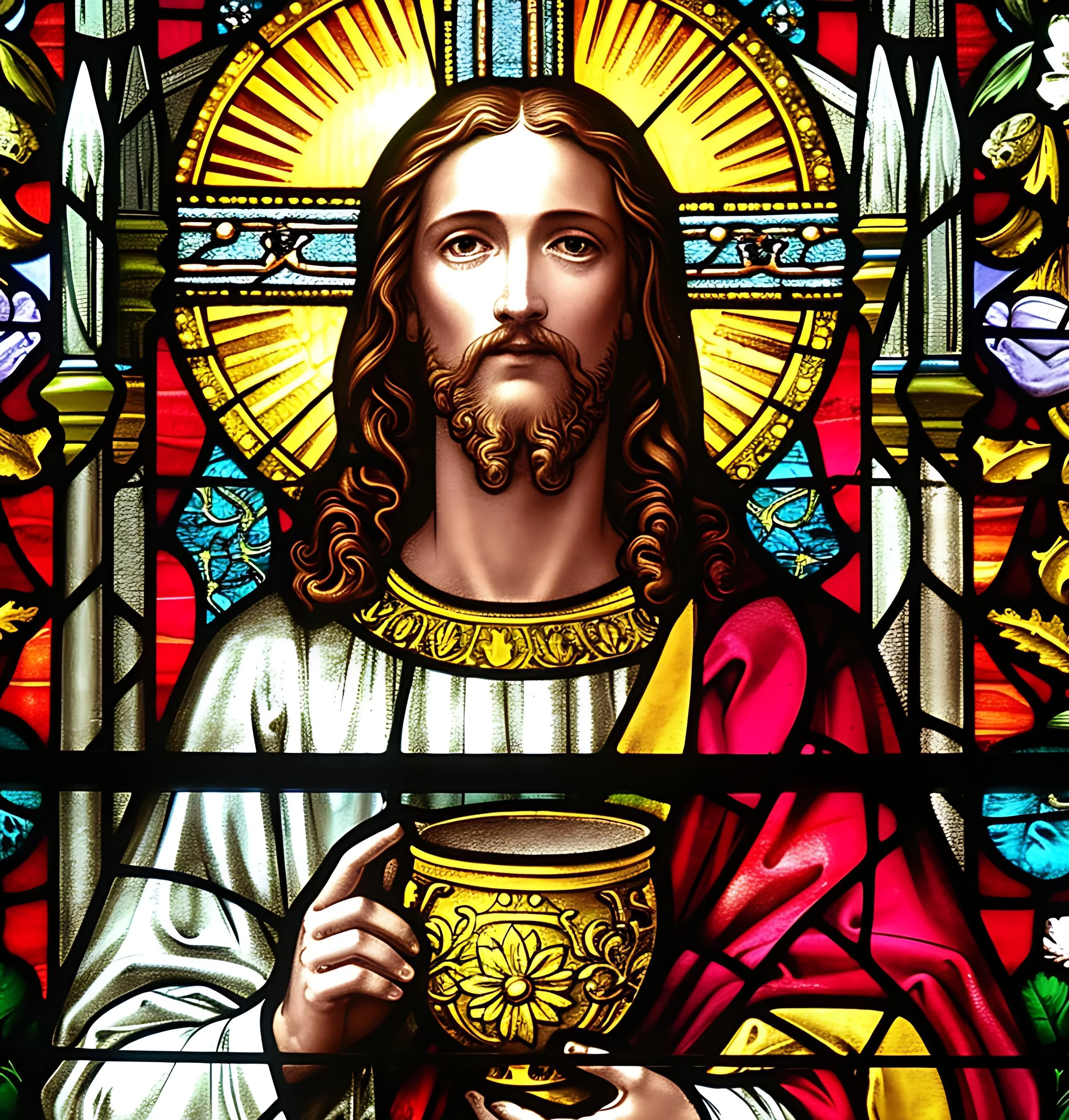
This talk explores a crucial idea: that for Carl Jung, Christ is not just a figure of the past, but a living symbol of an ongoing process of incarnation—the divine becoming real within the human psyche.
Drawing on Jung’s own encounter with the Christ story, and the work of Edward Edinger, this talk traces how the traditional Christian story can be understood psychologically as a pattern of transformation.
As collective belief in religion weakens, this drama does not disappear—it is “transferred to the individual,” becoming something that must be lived inwardly through experience, struggle, and self-knowledge rather than inherited through doctrine alone.
At this time we ask the pressing question: what would it mean for Christianity to remain alive today? Jung’s answer is demanding.
It requires moving beyond a one-sided, purely moral image of Christ, and confronting the full reality of the psyche—including shadow, conflict, and transformation.
Ultimately, this talk invites us to see the Christ story not as something to simply believe, but as a living psychological process—one that calls each person into a deeper encounter with meaning, suffering, and the possibility of inner renewal.
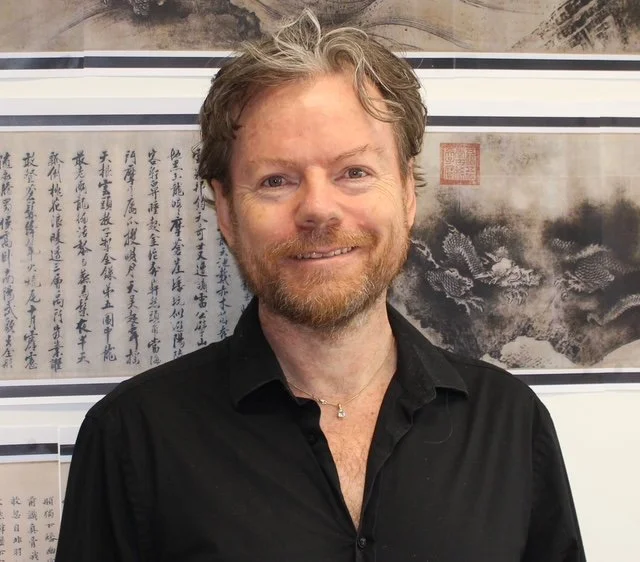
Robert Matthews is a Swiss trained Jungian Analyst in private practice in Adelaide. He is the current President of the CG Jung Society of South Australia.
And is also a Senior Lecturer in the School of Education, teaching classroom management and the application of neuroscience in education. He has a PhD in theoretical physics and has recently published the book:
”The Paradoxical Meeting of Depth Psychology and Physics: Reflections on the Unification of Psyche and Matter” (Routledge, 2022) - for further information see this link (note that Routledge are offering a 20% Discount on books in April).